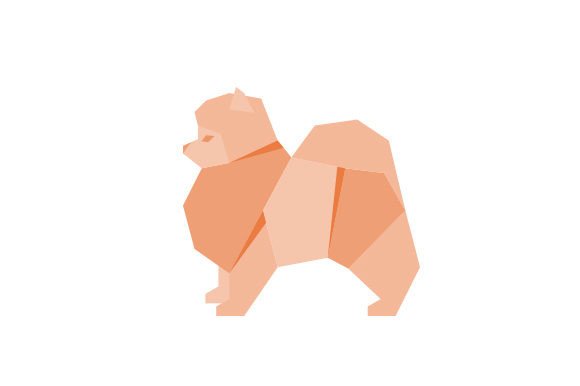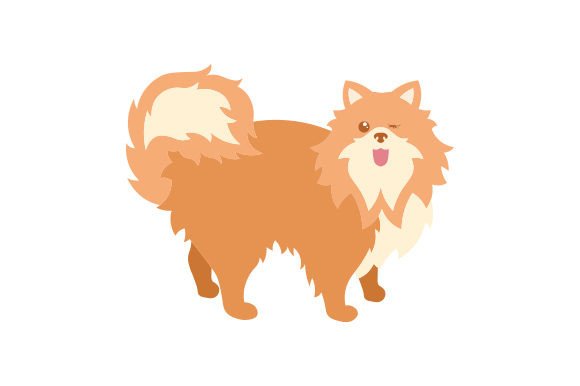
Disabled Pomeranian Dog
A Thoughtful Embroidery Design for Real Projects
As a designer who’s stitched countless projects from custom apparel to holiday gifts, I approach each embroidery design with the same question: Will this work in real life? The Disabled Pomeranian Dog is no exception. It’s a design that carries emotional weight and visual nuance, making it ideal for personalized gifts and meaningful handmade products. But before I commit to using it in a client project or selling it as part of my craft business, I need to evaluate its practicality, clarity, and adaptability.
First Impressions: Mood and Visual Personality
The Disabled Pomeranian Dog immediately evokes a sense of warmth and care. Its soft lines and gentle curves suggest a companionable presence, while the subtle details—like the fur texture and facial expression—add depth. This isn’t just an animal; it’s a character with a story. That emotional resonance makes it perfect for gifts like baby items, personalized patches, or boutique branding. However, it also means the design needs to maintain clarity when scaled down or used on different fabric types.
Real-Life Use Cases: Where Does This Design Belong?
The Disabled Pomeranian Dog shines in projects where sentimentality matters. A custom embroidered tote bag with this design could serve as a thoughtful gift for a pet lover. Similarly, it could be used on a sweatshirt embroidery for a dog owner who wants to celebrate their furry friend. For a more intimate touch, consider adding it to a baby item or holiday gift, where the design can be paired with other elements like names or dates.
It also has potential in commercial embroidery settings. A small shop might use it as a digital embroidery file for a line of personalized patches or aprons. However, its detailed nature means it’s not always the best fit for every product. For example, it might struggle on thin or stretchy fabrics due to the density of stitches and the intricacy of the fur texture.
Considerations for Practical Embroidery
Before using the Disabled Pomeranian Dog in a real project, there are several factors to consider. First, test the design on scrap fabric to see how it performs. Look for issues like stitch density, thread color contrast, and overall clarity. If the design uses satin stitch or fill stitch heavily, it may require more careful handling, especially on dark or textured fabrics.
Also, check the hoop size required. If you’re working on a small hoop, the design may need to be adjusted or simplified to avoid distortion. Additionally, ensure you’re using the right stabilizer to support the fabric and prevent puckering, especially on delicate materials like cotton or linen.
Another key consideration is thread color contrast. The Disabled Pomeranian Dog may look stunning in bright colors, but it might not translate well on dark backgrounds. Always test it in black and white mockups to see how it holds up under different lighting conditions. This is especially important for printable mockups or digital product previews that will be viewed online.
Design Quality and Project Value
The Disabled Pomeranian Dog is a visually appealing design, but its quality directly impacts the final product. Clear stitching, consistent fill patterns, and well-defined outlines contribute to a professional finish. Poorly rendered details, such as blurry fur or misaligned eyes, can make the finished embroidery look amateurish and reduce customer trust.
For a handmade product or personalized gift, the design should enhance the item rather than distract from it. A well-executed Disabled Pomeranian Dog can elevate a simple tote bag into a meaningful keepsake. However, if the design lacks precision, it may fail to meet customer expectations, especially for commercial embroidery or Etsy listings where quality is a key selling point.
Best Practices for Using This Design
If you plan to use the Disabled Pomeranian Dog in your own projects, follow these best practices:
- Test on scrap fabric first to assess stitch clarity and fabric compatibility.
- Check thread color contrast against different fabric backgrounds.
- Review stitch density to ensure it works well on your machine and fabric type.
- Confirm hoop size and stabilize the fabric properly to prevent shifting.
- Inspect small details like eyes, ears, and fur texture for accuracy.
- Test in black and white to see how the design holds up in different lighting.
- Use proper stabilizer to support the fabric and maintain stitch integrity.
- Ensure licensing before selling finished items or digital products.
These steps will help you create a polished, professional result that aligns with your brand and meets customer expectations.
Final Thoughts: A Design Worth Considering
The Disabled Pomeranian Dog is a versatile and emotionally resonant design that can add value to a wide range of embroidery projects. Whether you’re creating custom apparel, holiday gifts, or small shop merchandise, this design offers both aesthetic appeal and practical potential. Just remember to evaluate its performance in real-life situations and take the necessary precautions to ensure a successful outcome.