Hop-into-spring Sublimation SVG
First Impressions: A Light, Playful Pulse for Spring Projects
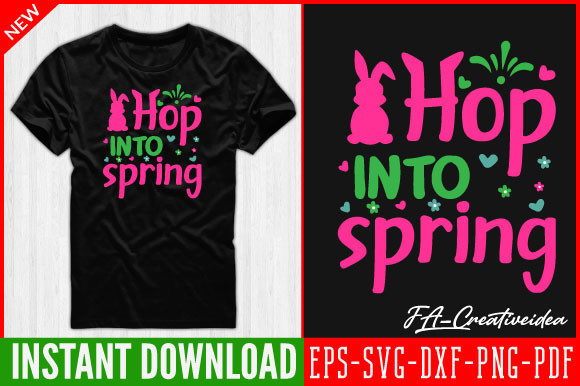
Opening Hop-into-spring Sublimation SVG feels like stepping into a sunlit garden at dawn—soft, cheerful, and quietly intentional. It’s not overly busy or cartoonish; instead, it balances clean outlines with gentle organic curves—think bunnies mid-leap, sprigs of clover, tiny eggs nestled in grass, and subtle floral accents. The composition leans into asymmetry without chaos, giving it breathing room that translates well to embroidery. As a designer who’s stitched hundreds of seasonal motifs, I immediately saw its potential beyond t-shirts: this is a design built for warmth, nostalgia, and handmade sincerity—not just decoration.
Real-Life Test: Stitching It onto a Linen-Cotton Kitchen Towel
Last week, I used Hop-into-spring Sublimation SVG as the centerpiece for a set of embroidered kitchen towels destined for a local boutique’s spring launch. I converted the SVG to an embroidery file (using my standard vector-to-stitch workflow), then ran a test on scrap linen-cotton blend—medium weight, slight texture, no stretch. The result? Crisp satin stitch edges on the bunny ears, even fill stitches in the clover leaves, and running stitch stems that held definition without stiffness. Customers loved how it looked: not too cutesy, not too minimal—just right for a handmade product meant to be used daily.
Where It Shines—and Where It Needs Thought
Hop-into-spring Sublimation SVG works beautifully on custom apparel like sweatshirts and tote bags, especially when paired with natural fibers (cotton, linen, midweight blends). Its open layout avoids heavy density, so it breathes on baby onesies and nursery pillow covers without puckering. For Etsy sellers and small shop owners, it’s a strong candidate for holiday embroidery bundles—Easter gifts, baby showers, or spring-themed craft fair merchandise.
But here’s what I watched closely: the fine details. That tiny egg outline? Lovely in digital mockups—but on a textured fabric like terry cloth or a loosely woven tea towel, it blurred slightly unless I added light tear-away stabilizer underneath. And on dark fabric? I tested it in black thread first—it read clearly, but I swapped to ecru for better contrast on navy sweatshirts. Also, avoid using it full-size on curved surfaces like caps unless you reduce scale by 15–20%—the topmost clover stem lost crispness near the crown seam.
Design Assets That Build Trust—Not Just Looks
What makes Hop-into-spring Sublimation SVG more than just a pretty graphic is how it supports brand consistency. As a craft business owner, I’ve seen customers respond strongly to cohesive, seasonally grounded design assets—even in simple products like embroidered aprons or personalized gifts. This motif doesn’t shout; it invites. That quiet confidence builds trust. When someone receives a hand-embroidered tote bag with this design, they don’t just see stitching—they feel care, timing, and attention to mood. That perception lifts perceived value and encourages repeat buyers.
Practical Embroidery Designer Notes You’ll Want to Keep Handy
- Always test first: Run Hop-into-spring Sublimation SVG on scrap fabric matching your final project’s weight and texture—even if it’s “just a towel.” Thread tension shifts fast on cotton blends.
- Check stitch density visually: Zoom in on the embroidery software preview. Look for overlapping fill areas near the bunny’s tail or clover center—if they’re too dense, simplify or adjust underlay.
- Confirm hoop size early: The full layout fits comfortably in a 4x4 hoop, but if you plan to add names or dates alongside it, build space into your layout before digitizing.
- Inspect small details in monochrome: View the design in black-and-white mockups. Does the egg still read? Do the grass lines separate cleanly? If not, tweak line weight before stitching.
- Stabilizer matters more than you think: For lightweight fabrics or baby embroidery, use cutaway + topping. For medium-weight totes or aprons, medium tear-away usually suffices.
- Licensing check is non-negotiable: Since this is listed as a digital file from FA_Creativeidea Design Store for personal and gifting use, confirm whether commercial embroidery rights (e.g., selling finished embroidered patches or sweatshirts) are included—or require separate permission.
Why This Fits Seamlessly Into Your Creative Workflow
If you're an embroidery designer juggling client work, Etsy listings, and craft fair prep, Hop-into-spring Sublimation SVG is a low-friction, high-return asset. It’s not demanding—no intricate applique design layers or nested satin stitch borders to manage. It’s also versatile enough to pair with other spring motifs (a simple “Hello Spring” script, a single daffodil) without visual competition. For digital product sellers, it works well as part of a themed bundle—say, “Spring Nursery Collection”—and holds up across printable mockups, social media previews, and physical samples.
It’s also forgiving for beginners learning machine embroidery design. The shapes are generous, the spacing generous, and the detail level respectful—not so sparse it feels generic, not so dense it intimidates. That balance is rare in seasonal Graphics files, especially within Crafts categories where trend-chasing often sacrifices longevity.
A Final Thought Before You Stitch
Good embroidery design isn’t just about what looks nice on screen—it’s about how it lives in the world: how it wears after 20 washes, how it feels under fingers, how it signals intention to the person holding it. Hop-into-spring Sublimation SVG succeeds because it carries spring lightly—no forced whimsy, no cluttered energy. Whether you’re stitching a personalized gift, building a boutique’s seasonal line, or prepping for your next craft fair table, it’s a design that supports your voice rather than overriding it. Just remember: test, stabilize, and trust your eye—not the file name, not the category label, but what you actually see when the needle stops moving.