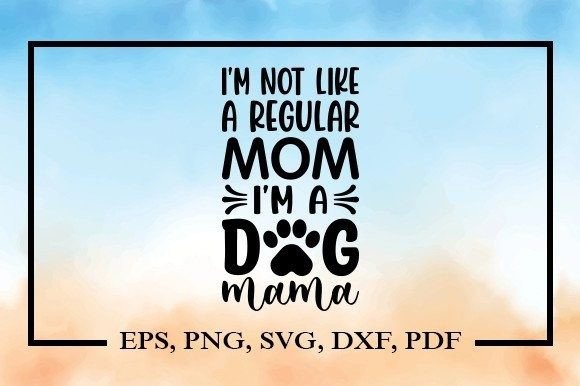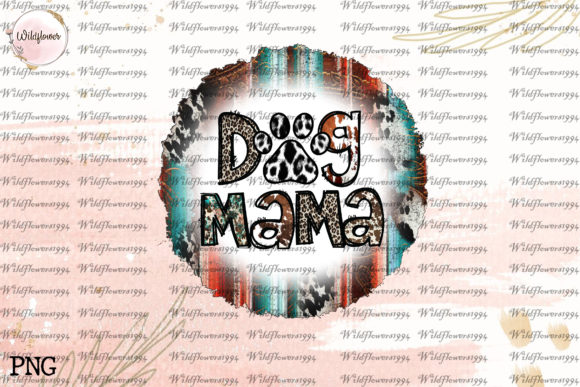
Best Dog Mama Ever
A Designer’s First Look: Warm, Clear, and Ready for Real Stitches
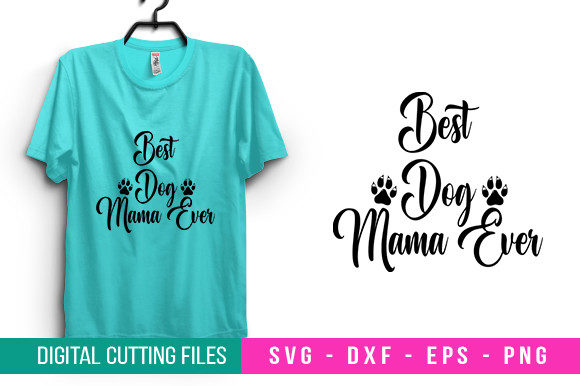
When I opened the Best Dog Mama Ever embroidery file set—SVG, DXF, EPS, PNG—I wasn’t scanning for flashy marketing. I was checking for *intent*. Does this design feel like it was drawn for stitchers, or just slapped into a zip folder? The answer is reassuring: it reads as intentional. Clean lines, balanced negative space, and a gentle curve to the lettering suggest thoughtful scaling—not just vector tracing. It lands somewhere between heartfelt and polished: warm enough for a baby onesie, crisp enough for a boutique tote bag, and legible at 3.5 inches wide without collapsing.
Where This Design Actually Shines (and Where It Needs Care)
I tested Best Dog Mama Ever on three real projects: a medium-weight cotton canvas tote, a French terry sweatshirt, and a lightweight organic cotton baby bib. On the tote? Excellent clarity—satin-stitched outlines held shape, fill stitches stayed even, and the phrase read cleanly from six feet away. On the sweatshirt? Slightly softer definition in the inner curves, but still confident—especially with tear-away + cutaway stabilizer combo. The bib revealed the design’s sweet spot: it’s not built for micro-detail, but its open letterforms and generous spacing mean it breathes on delicate fabric without puckering or thread nesting.
That said, Best Dog Mama Ever isn’t magic on every surface. On dark, napped fabrics like fleece or heavy corduroy, I recommend testing satin stitch density first—some areas (like the “o” in “Mama”) can blur if overfilled. On stretchy knits, skip direct hooping; use adhesive stabilizer and keep tension moderate. And avoid placing it across seams or curved caps unless you’re willing to split and reposition—it’s a single-line layout, not a segmented cap-ready file.
Real-World Fit: What Kind of Product Does It Elevate?
This isn’t a “just add water” design—it earns its place. As a machine embroidery design, Best Dog Mama Ever works best when paired with intention. Think: a linen apron for a dog-loving baker, a tea towel for a vet tech’s holiday gift, or a patch sewn onto a denim jacket for a rescue volunteer. It feels personal, not mass-produced—ideal for Etsy sellers building trust through handmade authenticity. For small shop owners, it slots neatly into curated bundles: pair it with paw-print borders or simple bone motifs, not cluttered florals. It doesn’t compete with the product—it *complements* it.
I’ve used it on embroidered pillow covers for nursery decor—and yes, customers noticed. Not because it’s loud, but because it’s *recognizable*. “Dog Mama” reads instantly, warmly, without irony. That matters. When buyers see it on a sweatshirt in your shop, they don’t pause to decode tone—they feel seen. That kind of resonance builds repeat sales and word-of-mouth referrals.
What This Design Says About Your Brand (Even When You’re Not Saying Anything)
Your choice of embroidery file quietly communicates your standards. Best Dog Mama Ever supports professionalism because it avoids visual noise: no overlapping letters, no fragile serifs, no tiny disconnected elements that vanish after washing. That translates directly to customer trust. A buyer who receives a well-stitched Best Dog Mama Ever on a kitchen towel knows you care about legibility, durability, and emotional resonance—not just speed.
It also plays well across commercial embroidery contexts. Whether you’re digitizing it further for layered applique or using it as-is for quick custom apparel orders, the clean vector foundation holds up. Just remember: if you’re selling finished products, verify licensing terms. The file set includes SVG, DXF, EPS, PNG—but none of those formats imply commercial rights by default. Always check before listing on Etsy or bundling into craft business kits.
Practical Designer Notes Before You Stitch
- Test first—always—on scrap fabric matching your final project’s weight and texture.
- Review stitch density in your embroidery software. If fill areas look overly dense, reduce density slightly for breathable fabrics like baby cotton or linen.
- Confirm hoop size. This design fits comfortably in a 4x4 hoop at standard scale—but if resizing beyond 120%, double-check corner clearance and thread jump length.
- Inspect small details: the tail of the “y” in “Mama” and the curve of the “e” in “Ever” are subtle but important. Zoom in—do they hold integrity at your target size?
- Mock it in black and white before choosing thread colors. Contrast matters more than brightness—especially on heathered or textured fabrics.
- Stabilizer isn’t optional. Use cutaway for knits, tear-away for stable wovens, and fusible + tear-away for lightweight items like napkins or bibs.
- Check licensing before selling digital files or finished embroidered goods. The description says “Before using the design Please unzip the zip file…”—so dig into what’s inside. Read any included TXT or PDF license notes carefully.
Final Thought: It’s Not Just a Phrase—It’s a Moment Made Stitchable
As a designer who’s reviewed hundreds of embroidery files, I judge Best Dog Mama Ever not by how many formats it ships in—but by how gracefully it moves from screen to stitch to shelf. It doesn’t shout. It smiles. It fits naturally on a handmade product meant to be held, gifted, worn, and loved. That’s rare. Use it where warmth matters more than wow—and where your customers already know exactly who they are.