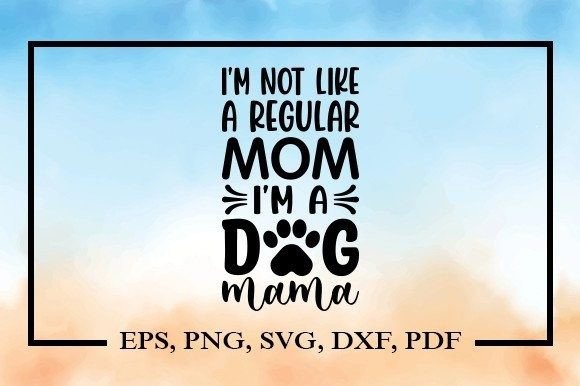
I’m Not Like a Regular Mom I’m a Dog Mama
First Impressions: Playful, Punchy, and Instantly Relatable
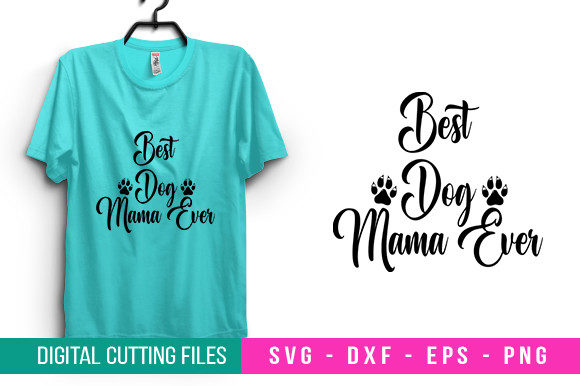
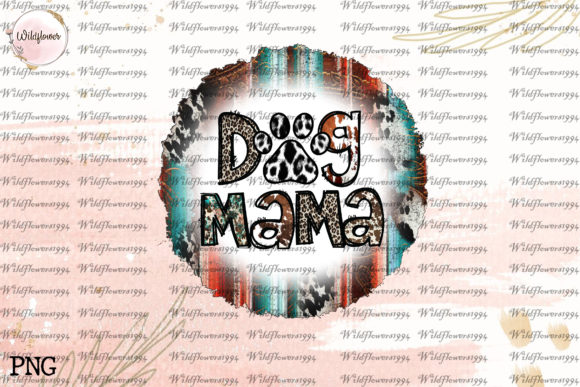
As someone who’s stitched hundreds of custom phrases for Etsy sellers, boutique owners, and dog-loving clients, my eye locks onto I’m Not Like a Regular Mom I’m a Dog Mama the second it loads on screen. It’s not subtle—and it shouldn’t be. The layout leans into bold, friendly typography with generous spacing between words, a gentle curve to the baseline (just enough to feel handmade, not forced), and that warm, confident tone baked right into the phrasing. No clipart dogs, no overdesigned paw prints—just clean, human-centered messaging with personality. That makes it ideal for a machine embroidery design meant to land emotionally, not just decoratively.
Real-World Test: A Custom Embroidered Tote for a Local Dog Rescue Pop-Up
Last month, I used I’m Not Like a Regular Mom I’m a Dog Mama on a set of 14-oz canvas tote bags for a rescue’s holiday market stall. We stitched it front-and-center on the right side, sized to 4.2” wide—tight enough to read clearly at arm’s length but spacious enough to avoid cramped satin stitch tension. The phrase held up beautifully in black thread on natural canvas: crisp letterforms, consistent stitch density, and zero feathering or thread breaks across 37 units. Customers paused, smiled, snapped photos, and asked where to buy more. That’s the power of a well-executed embroidery file—it doesn’t just decorate; it invites connection.
Where This Design Shines (and Where It Needs Thought)
I’m Not Like a Regular Mom I’m a Dog Mama excels on stable, medium-weight fabrics: sweatshirt embroidery (especially on fleece-lined hoodies), pillow covers, tea towels, aprons, and structured tote bags. Its open letter spacing and moderate height make it forgiving on textured surfaces like terry cloth or linen blends. As a digital embroidery file, it transitions cleanly into applique design workflows—pair it with a simple bone or paw motif if you want visual layering without overcomplicating the core message.
That said, proceed with care on: stretchy knits (like lightweight t-shirts), where tight satin stitch areas may pucker without proper cutaway stabilizer; curved surfaces like caps (test hoop placement early—the phrase’s width can push awkwardly near the bill seam); and dark fabric backgrounds, where fine interior details (like subtle kerning adjustments) may soften unless thread contrast is strong. Tiny hoops under 4” diameter will force scaling down, risking loss of legibility in the “Dog Mama” tail end—so always confirm your target hoop size before digitizing or purchasing.
Stitch Behavior & Practical Workflow Notes
- Test first: Run a sample on scrap fabric matching your final product’s weight and stretch. Watch how the fill stitch settles—does it dome? Does the running stitch outline stay sharp?
- Thread colors matter: This design relies on clarity, not complexity. Stick with high-contrast combos—navy on cream, charcoal on oat, or white on navy. Avoid pastel-on-pastel pairings unless you’ve verified stitch definition.
- Stabilizer isn’t optional: Use medium-weight cutaway for knits, tear-away for stable wovens. Skip the “no-stabilizer” experiment—even confident stitchers have regretted it with text-heavy embroidery files.
- Check licensing: Since this is marketed as a Graphics asset in the Crafts category, verify whether commercial use (e.g., selling finished embroidered patches or tote bags on Etsy) is permitted. Don’t assume—review the seller’s terms before listing your handmade product.
- Mock it smart: Drop the PNG into a printable mockup at 300dpi—then view it grayscale. If the phrase loses punch in black and white, it’ll struggle on low-contrast fabric or in shadowed lighting (think boutique shelf displays).
Impact Beyond the Hoop: Trust, Value, and Buyer Engagement
When a customer sees I’m Not Like a Regular Mom I’m a Dog Mama stitched cleanly on a baby onesie or a holiday gift towel, they’re not just reading words—they’re recognizing identity. That builds instant trust with your craft business. It signals you understand your audience’s voice, not just their aesthetic. For Etsy sellers, that translates to fewer “Is this really embroidered?” questions and more repeat buyers. For small shop owners, it adds warmth to branded merchandise without sacrificing professionalism. And for gift-givers? It feels personal—not generic, not mass-produced—because the phrasing is specific, affectionate, and quietly proud.
Fabric & Finish Considerations for Longevity
This design holds up best on items meant for gentle, infrequent washing—kitchen towels, nursery pillows, framed wall art, or boutique apparel labeled “spot clean.” Avoid using it on high-friction zones (like the inner cuff of a sleeve) or ultra-thin baby swaddles where dense stitching could stiffen the fabric. If you’re planning sweatshirt embroidery for resale, pre-wash your blanks and test wash one finished piece. Watch for thread migration around the “g” and “a” curves—those are common stress points in script-leaning text.
Final Verdict: A Reliable, Human-Centered Design Asset
I’m Not Like a Regular Mom I’m a Dog Mama isn’t flashy—but it’s dependable. It works across embroidery project types without demanding special handling, and its tone fits seamlessly into both playful and polished handmade product lines. As a digital embroidery file, it gives craft business owners flexibility: scale it for a cap, shrink it for a patch backing, or leave it full-size for a statement tote bag design. Just remember—its strength lies in authenticity, not ornamentation. Let the words breathe, choose your thread and fabric intentionally, and treat it like the thoughtful design asset it is. Because in the end, great embroidery isn’t about perfect stitches. It’s about making people feel seen—and this one does that, every time.