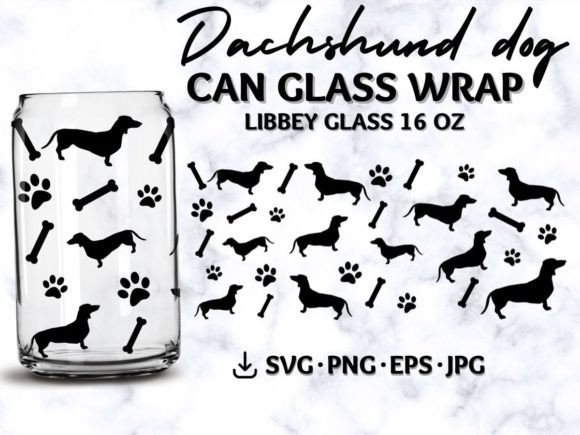
Dachshund Dog Libbey: A Designer’s Real-World Embroidery Review
As a designer who’s stitched hundreds of custom pieces—from boutique baby onesies to Etsy best-selling tote bags—I opened Dachshund Dog Libbey expecting charm. What I found was something more useful: a quietly confident, well-proportioned embroidery file that lands exactly where it should—between playful and polished.
First Impression: Friendly, Not Fussy
The moment you preview Dachshund Dog Libbey, its posture reads like a relaxed, slightly mischievous companion—not stiff or overly cartoonish. The silhouette is clean, the head tilt gentle, and the long body flows without awkward angles. It’s not built for hyper-detail (no tiny paw pads or whisker lines), but that’s intentional. This is a machine embroidery design meant to translate reliably across fabric types, not a vector illustration pretending to be stitchable.
I immediately pictured it on a natural linen tea towel for a dog-loving kitchen boutique—simple, warm, unmistakably dachshund. No need to over-explain. Just one clear, friendly face that says “handmade with care” before the customer even reads the label.
Where It Shines: Real Projects, Real Customers
Dachshund Dog Libbey excels in projects where personality matters more than precision. Think:
- A custom sweatshirt for a dachshund rescue fundraiser—stitched boldly on the chest, holding up under repeated washing when paired with quality stabilizer.
- An embroidered patch sewn onto denim aprons for a local pet bakery—clean edges hold up through laundering and daily wear.
- A set of nursery pillow covers for a handmade shop—softly scaled down to 3.2", still legible, still joyful.
- A holiday gift set: matching baby onesie + organic cotton burp cloth, both featuring the same design. Consistency builds trust—and repeat buyers.
It works especially well for personalized gifts and small shop products because it doesn’t compete with text or other graphics. You can pair it with a monogram or simple phrase (“Good Boy”, “Wiener Squad”) without visual clutter. As an embroidery file, it avoids the pitfalls of overcrowded fill stitches or fragile satin-stitch outlines—common issues in overly ambitious dog designs.
Where to Pause & Plan Ahead
This isn’t a one-size-fits-all file—and that’s honest, not limiting. Here’s where thoughtful execution makes all the difference:
- Small hoop sizes: At full scale, it fits comfortably in a 4x4 hoop—but if you’re shrinking it for baby caps or collar tags, test first. Tiny ears or the tail tip may lose definition below 2.5".
- Textured or stretchy fabric: On slubbed linen or lightweight knits, use medium-weight cutaway stabilizer. The design’s open negative space helps prevent puckering, but don’t skip stabilization.
- Dark fabric: The shape holds up beautifully in black thread on navy canvas—but avoid ultra-thin thread on deep charcoal; contrast fades. Stick with 40-weight rayon or polyester.
- Curved surfaces (like caps): Its low stitch density means it adapts well to crowns and fronts—but always do a baste stitch test to confirm placement flow.
It’s not ideal for dense applique layers or intricate multi-color scenes. This is a single-layer, cohesive embroidery project—not a foundation for complex builds. That’s a strength, not a shortcoming.
What It Adds to Your Craft Business
For Etsy sellers and creative entrepreneurs, Dachshund Dog Libbey delivers quiet professionalism. Customers notice when stitching looks intentional—not rushed or pixelated. Because the outline is smooth and the proportions balanced, even at modest sizes, it reads as high-quality handmade product, not clipart stitched poorly.
It boosts giftability instantly. A customer buying a personalized dog-themed gift isn’t just purchasing thread and fabric—they’re buying recognition, warmth, and shared affection. This design conveys that without needing words.
From a branding standpoint, it supports consistency. Whether you use it on packaging tags, social mockups, or your own shop banner, Dachshund Dog Libbey feels like part of a curated collection—not a random download.
Designer Notes You’ll Actually Use
Before stitching your first finished product, take these practical steps:
- Test on scrap fabric matching your final project—especially if using textured weaves or blends.
- Check thread color contrast on both light and dark backgrounds using a printable mockup.
- Review stitch density in your embroidery software—if fill areas look sparse or overly dense, adjust tension or underlay settings.
- Confirm hoop size compatibility. If scaling down significantly, inspect small corners (ear tips, tail end) for stitch dropout.
- Use proper stabilizer: tear-away for stable wovens, cutaway for knits or lightweight fabrics.
- Verify licensing terms before selling finished items or bundling Dachshund Dog Libbey into digital product kits—it’s a digital embroidery file, so commercial use rights matter.
And one more thing: try stitching it in black and white first. If it reads clearly without color cues, you’ve got a winner for seasonal collections, minimalist shops, or monochrome branding.
Final Thought: Design That Serves the Maker
Dachshund Dog Libbey doesn’t shout. It doesn’t overload. It simply works—across apparel, home goods, and keepsakes—because it was made with real stitching in mind, not just vector polish. As a Graphics asset in the Crafts category, it bridges digital convenience and tactile authenticity. For anyone building a craft business rooted in reliability, charm, and repeatable results, this is the kind of embroidery file that earns shelf space—not just server space.