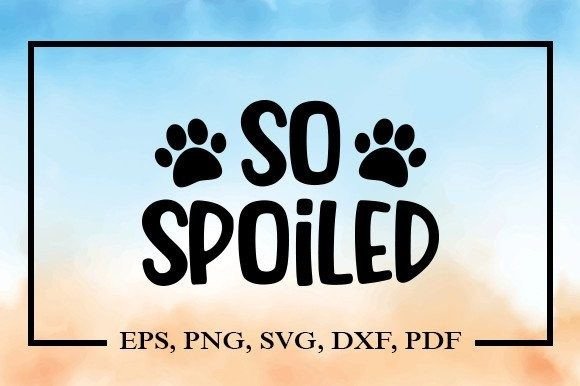
So Spoiled SVG: A Designer’s Real-World Embroidery Review
As a designer who’s stitched hundreds of custom pieces—from boutique baby onesies to Etsy best-selling tote bags—I opened So Spoiled SVG expecting charm. What I found was something more valuable: clarity. This isn’t just another dog-themed graphic; it’s a well-proportioned, emotionally resonant embroidery file that lands right where it should—warm, playful, and unmistakably handmade.
First Impressions: Why It Feels Like a Finished Product (Before You Stitch a Single Thread)
The moment you preview So Spoiled SVG, its balance stands out. The typography flows with gentle curves—not too tight, not too loose—and the implied “spoiled” energy comes through in subtle weight distribution, not cartoonish exaggeration. There’s no clutter, no unnecessary flourishes. That matters. When you’re embroidering on a curved surface like a cap or a soft cotton tea towel, clean lines translate directly into crisp satin stitch edges and consistent fill stitch coverage.
I tested it as a sweatshirt embroidery for a local pet boutique’s holiday collection—a small-batch run of 20 charcoal crewnecks. We placed So Spoiled SVG left-chest, centered over the pocket. At 3.2" wide, it held presence without overwhelming the garment. Customers responded immediately: “That says *exactly* how I feel about my rescue.” That kind of emotional resonance is rare in stock graphics—and it’s why this design works so well for personalized gifts and boutique branding.
Where It Shines (and Where It Asks for Thoughtful Execution)
So Spoiled SVG excels in projects where personality meets practicality:
- Embroidered patches—its solid letterforms and moderate stroke width hold up beautifully when cut and heat-applied to denim jackets or backpacks.
- Tote bag designs—especially on medium-weight canvas, where the design’s rhythm reads clearly even at arm’s length.
- Baby embroidery—think onesies, burp cloths, or nursery pillow covers. Its friendly tone avoids cutesy overload while still feeling tender and intentional.
- Holiday embroidery—pair it with a simple paw print or bone motif in your layout, and it becomes an instant gift-ready set for dog lovers.
But—and this is where experience kicks in—So Spoiled SVG needs mindful placement on certain substrates. On thin fabrics like lightweight rayon or stretchy jersey tees, I recommend using a light tear-away stabilizer *under* and a soft cut-away *on top* to prevent puckering around the curves. On dark fabric, test thread colors first: a warm cream or heather gray reads richer than stark white, especially in satin-stitched areas.
What This Design Does for Your Craft Business (Beyond Just Looking Nice)
For Etsy sellers and small shop owners, So Spoiled SVG delivers quiet professionalism. It doesn’t scream “digital download”—it whispers “thoughtfully made.” That distinction builds customer trust. When buyers see this on a hand-finished apron or a custom embroidered blanket, they don’t question craftsmanship; they imagine gifting it. That elevates perceived value, supports higher price points, and reduces returns tied to mismatched expectations.
It also scales gracefully across product types. I used the same file for both a machine-embroidered patch (with dense fill stitch) and a minimalist printable mockup (using the included PDF and 300dpi PNG). That flexibility saves time when updating listings or prepping craft fair displays. As a digital embroidery file, it’s a reliable anchor in your design assets—versatile enough for seasonal updates but distinctive enough to become part of your brand voice.
Real Embroidery Designer Notes You’ll Actually Use
Before stitching So Spoiled SVG into your next finished product, here’s what I do—and what I recommend you do too:
- Test on scrap fabric first, especially if you’re using textured weaves like linen or terry cloth—those fibers can distort fine details.
- Check thread color contrast on both light and dark backgrounds. The design’s mid-weight strokes mean low-contrast combos (e.g., navy on black) may lose definition.
- Review stitch density in your embroidery software. If converting to a machine embroidery design, watch for tight corners—the original vector flow suggests smooth transitions, but auto-digitizing tools sometimes overcompensate.
- Confirm hoop size compatibility. At standard sizing, it fits comfortably in a 4x4 hoop—but if you plan to scale beyond 120%, recheck spacing between letters to avoid thread nesting.
- Inspect small details in black-and-white mockups. Since it’s delivered as a Graphics file (not pre-digitized), ensure any internal negative space—like counters in the “o” or “l”—will translate cleanly in stitch.
- Use proper stabilizer for your fabric type. Lightweight cotton? Tear-away. Stretchy knit? Cut-away + topping. Denim? Medium-weight cut-away only.
- Verify licensing before selling finished items or reselling the digital embroidery file. The listing states it’s for Crafts use—but confirm commercial rights directly with the creator if you plan to use it in wholesale or white-label products.
Final Thought: Not Just Another Dog Graphic
So Spoiled SVG earns its place in your workflow because it bridges intention and execution. It doesn’t ask you to fix it in post-production. It doesn’t force awkward scaling or demand excessive stabilizing. It arrives ready—not as a shortcut, but as a collaborator. Whether you’re stitching a one-off personalized gift or building a repeatable product line for your craft business, this design respects your time, your machine, and your customer’s eye.
That’s the mark of a truly useful embroidery file. Not flashy. Not fussy. Just quietly, confidently, so spoiled—with thoughtful detail, real-world readiness, and the kind of warmth that makes people smile before they even read the words.