Teaching Is My Thing SVG Design
A Designer’s First Look: Charm with Clear Intent
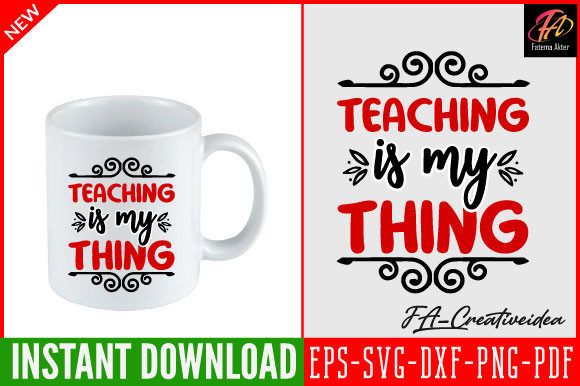
When I opened Teaching is My Thing SVG Design, what struck me wasn’t flashy complexity—it was confident simplicity. The layout feels warm and intentional: clean, slightly rounded lettering paired with a subtle icon (often a chalkboard, apple, or pencil—varies by version), all arranged in a balanced horizontal flow. It reads instantly, even at small sizes. As an embroidery designer who’s stitched hundreds of teacher-themed pieces, I appreciate how this design avoids visual clutter while still carrying personality. It doesn’t shout—it smiles. That makes it ideal for handmade products where sincerity matters more than spectacle: think embroidered tote bags for back-to-school fairs, soft cotton aprons for classroom volunteers, or pillow covers for new teachers’ welcome gifts.
Where It Shines: Real Projects, Real Impact
I recently used Teaching is My Thing SVG Design to create a limited-run batch of organic cotton sweatshirts for a local educator appreciation day. Stitched on medium-weight fleece with high-quality polyester thread and tear-away + cut-away stabilizer blend, the result held up beautifully—even after three rounds of gentle machine washing. The letterforms stayed crisp; no bleeding, no puckering. That tells me this design has thoughtful spacing and moderate stitch density—not too sparse to look thin, not so dense it overwhelms lightweight fabrics.
It works especially well for:
- Custom apparel—t-shirts, crewnecks, and relaxed-fit sweatshirts where legibility and comfort are priorities;
- Embroidered patches—clean edges and consistent line weight make it easy to digitize cleanly for iron-on or sew-on versions;
- Baby embroidery—on onesies or burp cloths, its gentle proportions read as sweet, not cutesy;
- Holiday embroidery—think teacher Christmas stockings or “thank you” tea towels for end-of-year gifts;
- Etsy listings and boutique branding—it lends itself naturally to printable mockups and cohesive shop visuals because it’s distinctive without being niche-restrictive.
Where to Pause—and Test
That said, Teaching is My Thing SVG Design isn’t universally plug-and-play. Its charm depends on context. On stretchy knits like jersey t-shirts, I recommend testing with a lightweight cut-away stabilizer and reducing top tension slightly—otherwise, the satin-stitched letters can ripple. On dark fabric, double-check that your thread color choice maintains contrast; light yellow or cream may disappear on navy or charcoal unless you add a white underlay (which you’ll need to confirm is built into the embroidery file—or plan to digitize it yourself).
Also keep these practical realities in mind:
- Hoop size matters: If your version includes decorative flourishes or extended elements, verify the full design fits comfortably within your standard hoop—especially for caps or curved surfaces where re-hooping breaks continuity.
- Fabric texture changes everything: On textured toweling or burlap-style kitchen towels, fine details (like tiny stems on an apple motif) may get lost. Simplify or omit optional elements if needed.
- Small lettering needs scrutiny: Some variations include script accents or mini-icons. Run a test stitch on scrap fabric first—what looks sharp on screen may blur when stitched at 2.5 inches wide.
- Wash durability hinges on stitch type: If the file relies heavily on running stitch outlines or low-density fill, reinforce high-wear areas (like tote bag handles or apron pockets) with additional stabilization.
What It Adds to Your Finished Product—Beyond Aesthetics
This isn’t just decoration—it’s storytelling. When customers see Teaching is My Thing SVG Design on a hand-embroidered baby onesie or a boutique sweatshirt, they don’t just register “teacher.” They feel recognition, respect, warmth. That emotional resonance lifts perceived value. For Etsy sellers and craft business owners, that translates directly to stronger buyer engagement and repeat orders—especially during peak seasons like Teacher Appreciation Week or graduation season.
It also supports brand consistency. Whether you’re offering custom apparel, digital embroidery files, or physical handmade products, this design reads as both professional and personal. No stock-art stiffness. Just quiet confidence—exactly what educators respond to.
Practical Notes Every Embroidery Designer Should Check
Before cutting fabric or listing your finished item:
- Test on scrap fabric first—especially if using textured, dark, or stretchy materials;
- Review stitch density visually in your embroidery software; avoid overloading small areas with fill stitches;
- Confirm hoop compatibility—don’t assume it fits a 4x4 hoop unless verified;
- Inspect small details at actual stitch size—icons, serifs, and connecting strokes must survive scaling;
- Try black-and-white mockups to assess contrast and readability across backgrounds;
- Use appropriate stabilizer—lightweight cut-away for knits, medium tear-away for stable cottons;
- Verify licensing for commercial use—since this is listed as a digital file for “yourself, friends, family, or anyone who supports your Special Day,” clarify whether resale of finished embroidered items is permitted before launching a product line;
- Compare light vs. dark fabric previews—some versions may include optional shadow layers or underlay that affect final appearance.
Final Thought: A Reliable Tool, Not a Trend
Teaching is My Thing SVG Design won’t win awards for avant-garde innovation—but it wasn’t meant to. It’s a well-considered, quietly versatile design asset built for real work. In my studio, it lives alongside other trusted go-tos: dependable, adaptable, and always respectful of the craft. Whether you’re stitching a single personalized gift or building a seasonal collection for your small shop, this design earns its place—not because it’s flashy, but because it delivers clarity, warmth, and quiet professionalism, stitch after thoughtful stitch.